
All eyes on you,
WTO!
Billions of dollars in government subsidies just encourage more fishing—but we have an opportunity now to end harmful subsidies, helping people and the planet while meeting Sustainable Development Goal (SDG) 14 target 6.
World Trade Organization (WTO) members reached a historic agreement in June 2022 to tackle harmful fisheries subsidies, including those subsidies that go to illegal, unreported, or unregulated (IUU) fishing, the fishing of overfished stocks, and fishing in the unregulated high seas. This is a major step towards making SDG 14.6 a reality – but we now need governments to ratify and implement the treaty at home so it can realize its full potential. And we need trade negotiators in Geneva to keep working on even more comprehensive rules for the future, including for subsidies that contribute to overcapacity and overfishing.
We need your help to keep the pressure up—let’s make sure that WTO members continue to prioritize this critical issue for the health of our ocean and the people who depend on it.
Let's make it happen

What is the problem?
The ocean needs our help. Harmful fisheries subsidies from governments around the world are pushing the fishing industry to fish more and more, distorting the market and directly harming local fishing communities.
Small-scale and artisanal fisheries employ 90% of all fishers, but subsidies disproportionately fund big business. For example, about 78% of total fisheries subsidies in Latin America go to industrial fleets, not small-scale operations. Harmful subsidies, estimated at more than USD 22 billion a year, artificially reduce fishing costs. Industrial fleets can then afford longer trips, sailing farther to harvest more and more fish, depleting stocks faster than they can recover.
Cheaper gasoline and free nets won’t help anyone in the long run—our current situation threatens long-term food security and livelihoods around the world. More than 820 million people depend on fisheries and aquaculture for food, nutrition, and income. And as our population grows, so does demand.
The trend doesn’t look good—the share of overexploited stocks has tripled since the 1970s. WTO member took a major step forward in June 2022 when the concluded negotiations for a legally binding Agreement on Fisheries Subsidies. But for this agreement to deliver on its promise, governments must ratify the treaty and put it into practice.
How can we stop it?
We have a great opportunity right now to end harmful fisheries subsidies. In 2015, United Nations member adopted the Sustainable Development Goals (SDGs) — a shared blueprint for peace and prosperity for people and the planet. SDG 14, one of 17 goals, focuses on Life Below Water, and one of the most attainable SDG 14 targets is to prohibit subsidies that overexploit fish stocks.
WTO members at last have a deal in place. But until they ratify it and implement its provisions, we won’t see the change we need for our ocean and the people whose livelihoods rely on it.
If we phase out these subsidies responsibly, unsustainable fishing can be controlled, and fish stocks should start to recover. Recovering stocks will eventually boost catch opportunities and revenues for remaining fishing vessels, allowing them to succeed without the need for government subsidies.
Eliminating these subsidies will not require money. Rather, this would free up resources for governments to invest in sustainable fisheries, aquaculture, and coastal communities. It is critical that we take meaningful action now to renew the health of our ocean and sustain fisherpeople and the populations who depend on them.
Videos
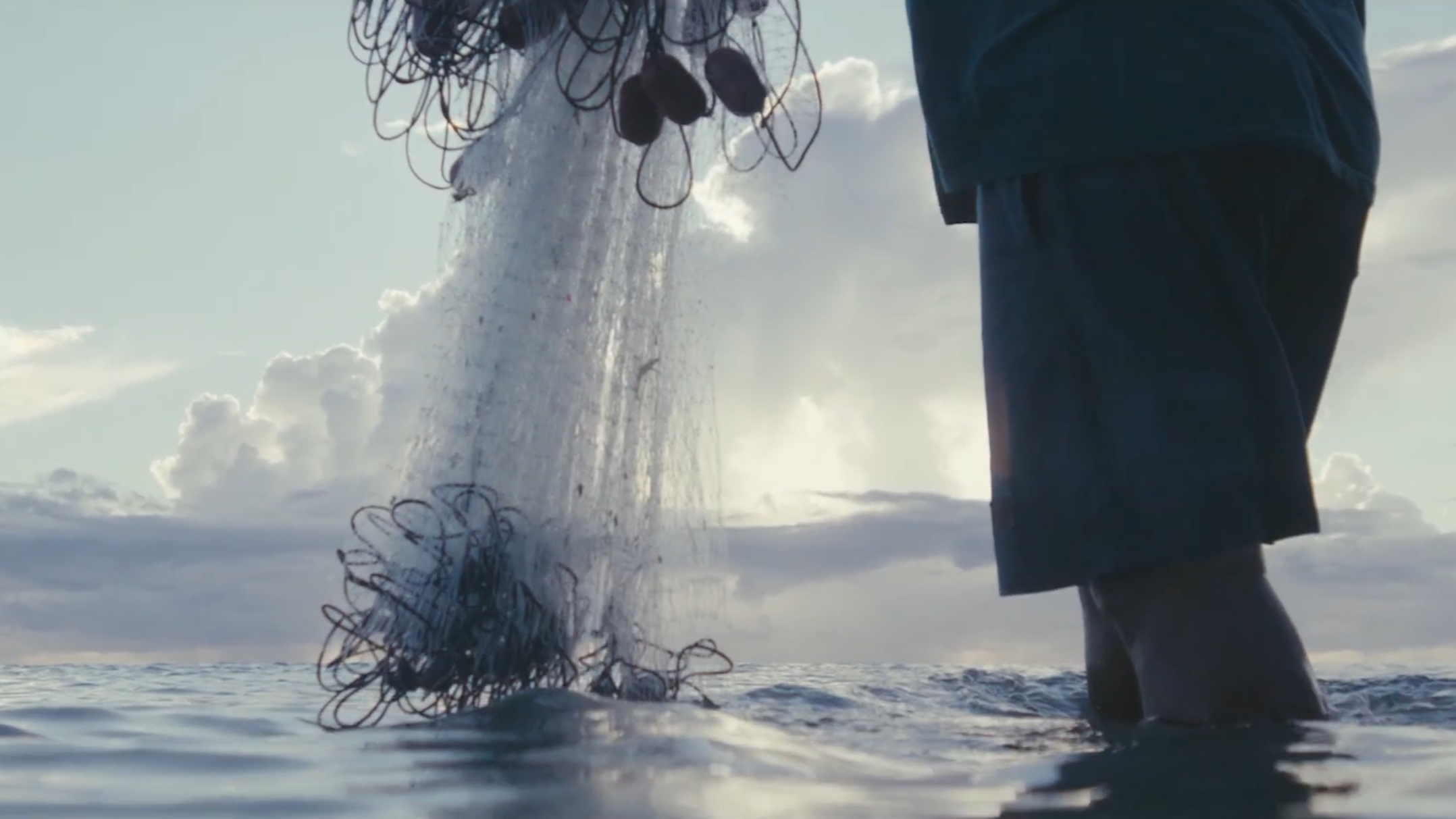


Make Waves


Build the wave of support by sharing the message on social media. Tell the world why ending harmful fishing subsidies matters to all of us.
Resources


Supporters

A Associação Portuguesa para o Estudo e Conservação de Elasmobrânquios

AIDA

All For Blue

Animal Help Now

Animal Latitude

Animal Welfare Institute

Antarctic and Southern Ocean Coalition

APIL

Archipelagos Institute of Marine Conservation

Asociación Asturiana d’Amigos de la Naturaleza

Asociación CREMA

Associació de Naturalistes de Girona

BETA Diversidad A.C.

BIOM Udruga / Association

BirdLife Cyprus

BirdLife International

BirdLife Sverige

BirdWatch Ireland

Bloom

Blue Marine Foundation

Blue Resources Trust

Blue Ventures

Born Free

Center for Biological Diversity

Centro Ballena Azul

Cetacean Society International

Change Makers

Circulo de Politicas Ambientales

Círculo Verde

Citizens’ Institute for Environmental Studies

ClientEarth

Coalition Clean Baltic

CODEMAR Coalición en Defensa de los Mares de México

Colectivo Ecologista de Avilés

Compassion in World Farming

Conservation International

Coordinadora Ecoloxista d’Asturies

Coral Reef Alliance

Cork Environmental Forum

Costa Humboldt

Danmarks Naturfredningsforening

David Suzuki Foundation

Deep Sea Conservation Coalition

Defenders of Wildlife

DEPANA Lliga per a la Defensa del Patrimoni Natural

Desmitificando Tiburones

Deutsche Umwelthilfe

Divers for sharks

Dona Bertarelli Philanthropy

Dynamic Planet

Earth Justice

Earth Law Center

ECO

ECO Environment and Conservation Organisations of NZ

Ecologistas en Acción

Ecology Action Center

Ecotrust Canada

Elasmo Project

EMEDO Environmental Management and Economic Development Organization

Environmental Justice Foundation

Environmental Pillar

Equilibrio Azul

Fauna & Flora International

Fish Act

Fish Free February

Fish Welfare Initiative

Fish Wise

France Nature Environnement
Friends of Ocean Action

Friends of the Mariana Trench Monument

Fundacio Ent

Fundación Ambiente y Recursos Naturales

Fundación Cidemar

Fundación Mar Adentro

Fundación Punta de Lobos

Fundacion Terram

Future of Fish

Galapagos Conservancy

Gallifrey Foundation

GEOTA Grupo de Estudos de Ordenamento do Território e Ambiente

Gesellschaft zur Rettung der Delphine e V.

Global Fishing Watch

Global Ocean Trust
Global Tuna Alliance

Good Fish Foundation

Greenpeace

Humane Society International

Iceland Nature Conservation Association

IFAW International Fund for Animal Welfare

Iniciativa para las Inversiones Sustentables China-América Latina (IISCAL)

Instituto Augusto Carneiro

Instituto Balleia Jubarte

Instituto de Conservación de Ballenas

International Chamber of Commerce

International Institute for Environment and Development

International Institute for Sustainable Development

International Pole & Line Foundation

Irish Whale and Dolphin Group

iSea

IUCN International Union for Conservation of Nature

Korean Federation for Environmental Movements

KYMA sea conservation & research

Landsforeningen Levende Hav (Living Sea Denmark)

Living Oceans

LOD Lithuanian Ornithological Society

LPN Liga para a Protecção da Natureza

M.E.E.R. e.V.

Manta Trust

Marine Conservation Institute

Marine Conservation Society

MarVIVA

MedReAct

Melimoyu Foundacion

Mingas por el Mar

Mission Blue Sylvia Earle Alliance

Mundus Maris

NEKTON

New Economics Foundation

NRDC Natural Resources Defense Council

Observatório do Mar dos Açores

Ocean Care

Ocean Conservancy
Ocean Outcomes

Ocean Unite

Ocean Wise

OCEANA

Oceaneers

Oceano Azul Foundation

Oceanosfera

OceanosSanos

Ondarroa 12 Milia

ORCA Mamiferos Marinos

Pacifico Libre

Planeta Oceano

Plataforma para la defensa del litoral del Sureste de Gran Canaria

Pong Pesca

Posidonia Green Project

Pro Squalus

Pro Widlife

Project Aware

QMCS Marine Conservation Society

Quercus

Reef Life Foundation

RISE UP

RSPB The Royal Society for the Protection of Birds

Save Philippine Seas

SCIAENA

Sea First

Sea Shepherd Conservation Society

Seal Rescue Ireland

Seas at Risk

Shark Allies

Shark Project

Sharks Atlantic Platform

Sharks Educational Institute

Sierra Club

Smart Fish AC

SOA Sustainable Ocean Alliance

SPEA Sociedade Portuguesa para o Estudo das Aves

Stop Illegal Fishing

Sunce

SWAN Sustainable Water Network

Swedish Society for Nature Conservation

Synchronicity Earth

The Marine Diaries

The Nature Conservancy

The Ocean Foundation

The Pew Charitable Trusts

The World Forum of Fish Harvesters & Fish Workers

Thinking Animals United

TRAFFIC

WCS Wildlife Conservation Society

WDC Whale and Dolphin Conservation

WildAid

Wildlife Conservation Trust

WildOceans

WWF World Wide Fund for Nature
